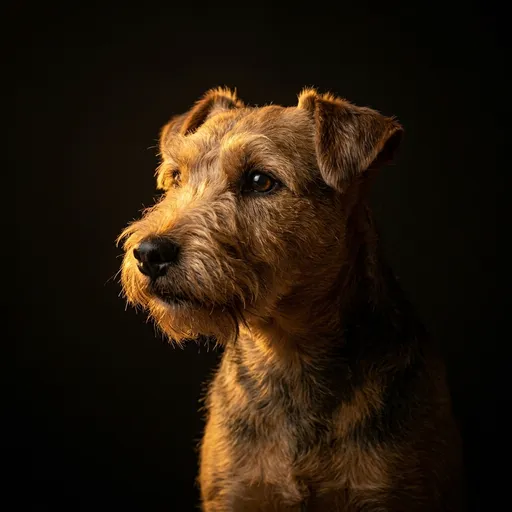
Lakeland Terrier · Terrier Group
The Lakeland Terrier Wall
The wall is forming · Be among the first families to add yours
Those who have crossed
Bracken
May 2009 – October 2023
Hiking trails surface in nearly every season of photos
Example
Flint
August 2011 – January 2024
The wiry coat reveals a hand-stripped pattern in older photos — someone maintained it carefully
Example
Midge
February 2010 – September 2023
One other dog appears alongside her in early years, then disappears — she outlasted a companion
Example
Tarn
November 2012 – April 2025
Mountain or hill landscapes surface repeatedly — the fell instinct found its echo
Example
Scout
March 2013 – December 2024
The same backyard fence appears across twelve years of photos
Example
Pages marked 'example' are demonstration bridges showing what a memorial looks like — not real families. The small lines beneath each are examples of what Memory Weather surfaces over time.
Remembrance
Lakeland Terriers were fell dogs — bred in the mountains of England's Lake District to protect newborn lambs from foxes. They went to ground in rocky terrain that would have stopped most breeds, and they did it with a fearlessness that was not trained but inherited. That courage was real. It was forged in actual mountains.
They were rarely seen, even when they were more common. A Lakeland in a park drew questions — 'What kind of dog is that?' — and their owners became accustomed to explaining a breed the world had mostly overlooked. They were athletic, wiry, confident, and deeply loyal to the people who chose them when easier breeds were everywhere.
“Every single walk, someone asked what he was. Every single time, I explained. I miss the explaining almost as much as I miss him.”
What to remember
When you create a bridge, these prompts help you hold the details that matter most — the ones that fade first.
How many times were you asked 'What kind of dog is that?' Describe how you answered — did you have a shorthand, or did you tell the whole story every time?
What did their confidence look like? Describe a moment when they walked into a situation like they owned it — no hesitation, no uncertainty.
What was their relationship with the outdoors? Did the fell terrier instinct show up in how they moved through terrain, trails, or weather?
How did they handle other dogs? Were they bold, indifferent, selective? Did their size ever matter to them?
What was their coat like to touch? Did you hand-strip it, clip it, or let it go wild? What did their grooming routine become?
What would you want someone who has never seen a Lakeland Terrier to know about what it was like to live with one?
Words that stayed
“He weighed seventeen pounds and had the posture of a dog who had personally defeated a fox. He carried that posture everywhere, including the vet's office.”
physical
“She was hand-stripped every eight weeks and acted like she was doing us a favor by allowing it. She was.”
funny
“The trail we walked every morning still exists. We still walk it. The shape of the walk is completely different now.”
absence
“He was the bravest dog in every room he entered and he had no idea that bravery was remarkable. It was just how he was built.”
character
“Fourteen years with a breed nobody recognized. We recognized him. That was enough for both of us.”
time
The math
Lakeland Terriers typically lived 12–16 years.
Legg-Calvé-Perthes disease — a deterioration of the femoral head in the hip — was the most breed-specific concern. Lens luxation and cataracts also appeared in older Lakelands, requiring monitoring as they aged. The breed was generally robust, which often meant the final decline felt abrupt — a hardy dog who suddenly was not.
If your Lakeland is in their senior years, this is the right time to start their bridge — while the specific memories are still sharp.
Start their bridge now →The shape of this loss
Lakeland Terrier grief is rare breed grief at its most acute. You cannot explain the loss to most people because most people have never seen the breed. You say 'Lakeland Terrier' and they say 'Is that like an Airedale?' and the conversation is already wrong. The specificity of what you lost — the fell courage, the wiry independence, the particular way they held themselves — has no shorthand.
The fell terrier who protected lambs from foxes in the Lake District for centuries carried that mountain-bred fearlessness into your living room, your backyard, your daily life. A Lakeland's courage was forged in actual mountains. That specific, mountain-bred fearlessness is gone from your house now.
Every Lakeland lost makes the breed a little rarer. Your grief is not only personal — it is historical.
That specific, mountain-bred fearlessness is gone.
Memory Weather
How a bridge deepens with timeOver time, WenderBridge surfaces patterns already present in the photos and memories you choose to keep here.
Your Lakeland's photos reveal outdoor terrain — trails, hills, rough ground — more often than indoor settings.
Memory Weather notices the wiry coat changing across seasons — the texture tells its own story of years.
The same confident posture surfaces in photos years apart — they stood the same way at twelve as they did at two.
Memory Weather is available with Full settings.
Questions families ask
Add your Lakeland to the wall
Every Lakeland Terrier who has been loved deserves a permanent home on the wall. Their bridge is free to create, free to visit forever, and free to share — because the fell courage they carried deserves to be remembered.
Celebrating a living Lakeland?
If your Lakeland is currently surveying the backyard with the quiet confidence of a dog who has personally assessed every threat and found them all manageable, WenderPets is where you'll find the sculptures, lamps, and gifts made just for them.
WenderPets →Lakeland Terrier bridges are hosted permanently and will never disappear.