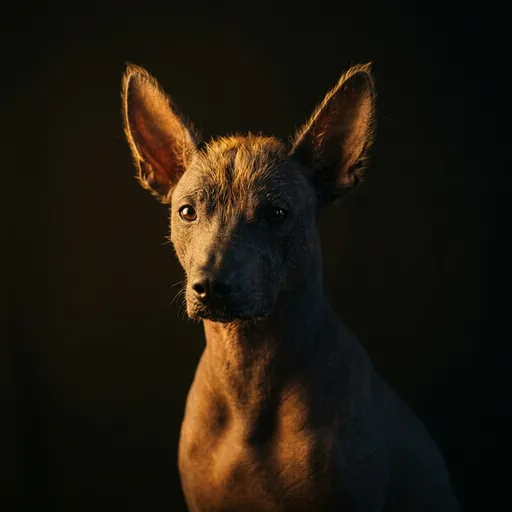
Peruvian Inca Orchid · Miscellaneous Class
The Peruvian Inca Orchid Wall
The wall is forming · Be among the first families to add yours
Those who have crossed
Luna
February 2011 – October 2023
Blankets and sweaters appear in every winter photo — she was always bundled
Example
Sol
July 2012 – March 2024
The same sunny window spot surfaces across every year
Example
Paloma
November 2010 – August 2022
Skin patterns shift across the years — her spots told their own story
Example
Ciro
April 2013 – June 2024
One lap, one blanket, one person — the pattern never varies
Example
Nica
September 2011 – February 2024
Evening couch photos outnumber every other setting combined
Example
Pages marked 'example' are demonstration bridges showing what a memorial looks like — not real families. The small lines beneath each are examples of what Memory Weather surfaces over time.
Remembrance
Peruvian Inca Orchids were warm in every sense — skin-warm against your body, heart-warm in their devotion, heat-seeking in a way that made them permanently attached to whatever human was nearest. There was no fur between you. Just their mottled, impossibly soft skin pressed against your arm, your lap, your ribs. No other breed felt like that under your hand.
They were sighthounds with the soul of a lap dog — explosive speed in the yard, then absolute stillness against your chest. They needed sunscreen and sweaters and dental care most dogs never require, and that extra tending became the architecture of the bond. You didn't just love them. You maintained them. And now there is nothing to maintain.
“People stared at her everywhere we went. They asked if she was sick. They asked if she was burned. I stopped explaining. She didn't need the world to understand her. She had me.”
What to remember
When you create a bridge, these prompts help you hold the details that matter most — the ones that fade first.
How did they greet you — and could you feel the warmth of their skin before you even fully touched them?
What was the sunscreen routine? The sweater collection? Describe the daily care that became part of loving them.
What was the funniest reaction someone had when they first saw your dog? How did you handle the stares?
Where did they seek warmth? The specific blanket, lap, sunny spot, or heating vent they claimed as theirs.
What did people notice first — and what did you wish they'd noticed instead?
When you were cold or sad, did they press closer? How did their body against yours become a kind of language?
Words that stayed
“She had skin like warm suede and spots that shifted with the seasons. You could feel her heartbeat without any fur in the way.”
physical
“He owned fourteen sweaters and had a clear preference ranking. The green one was retired after one wearing. We never learned why.”
funny
“The sunscreen is still in the basket by the door. The sweater drawer is still organized by warmth. There is no one left to dress.”
absence
“She made strangers uncomfortable and family members devoted. She didn't care about the ratio.”
character
“Thirteen years of a dog most people had never seen before. We wouldn't trade a single strange look for a more conventional love.”
time
The math
Peruvian Inca Orchids typically live 12–14 years.
The hairless gene is directly linked to dental abnormalities — missing or malformed teeth are the norm, not the exception, and dental care is a lifelong commitment. Skin requires protection from sun, cold, and dryness. Epilepsy appears in some lines. IBD and digestive sensitivity can increase with age. The daily care routine that defines PIO ownership becomes part of the grief when it's no longer needed.
If your Peruvian Inca Orchid is in their senior years, this is the right time to start their bridge — while the specific memories are still sharp.
Start their bridge now →The shape of this loss
The absence of a Peruvian Inca Orchid is sensory in a way other breed losses are not. You felt them differently — their skin against yours, unmediated by fur, warm and present in a way that made their physical absence register in your nerve endings. The lap is cold now. The bed is cold. The grief lives in temperature.
Most people never understood what you had. They saw a hairless dog and flinched, or joked, or asked uncomfortable questions. You spent years being the translator between your dog and a world that found them strange. Now you are grieving something the world never valued the way you did — and the loneliness of that grief is specific to rare breed families who loved a dog that didn't fit anyone else's idea of beautiful.
They were beautiful. You always knew that. The world is slower to learn.
They were beautiful. You always knew that.
Memory Weather
How a bridge deepens with timeOver time, WenderBridge surfaces patterns already present in the photos and memories you choose to keep here.
Your PIO's photos show blankets, sweaters, and laps in nearly every frame — warmth was the organizing principle of their life.
Memory Weather notices the skin patterns shifting across years. The spots and mottling told a story only chronological photos reveal.
Sunny spots — the same window, the same patch of floor — appear with remarkable consistency across seasons.
Memory Weather is available with Full settings.
Questions families ask
Add your Peruvian Inca Orchid to the wall
PIOs are rare enough that most vets have never treated one. If you loved one, their bridge belongs here — free to create, free to visit forever, and free to share with the small, fierce community that understands exactly what you had.
Celebrating a living Peruvian Inca Orchid?
If your PIO is currently burrowed under three blankets with just their spotted nose visible, radiating heat like a small furnace, WenderPets has gifts for the rare breed families who get it.
WenderPets →Peruvian Inca Orchid bridges are hosted permanently and will never disappear.