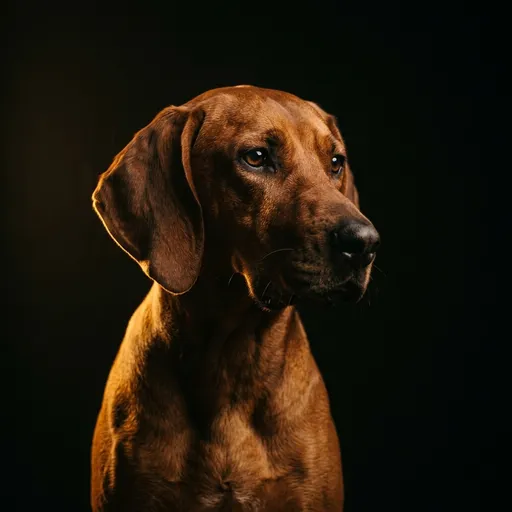
Redbone Coonhound · Hound Group
The Redbone Coonhound Wall
The wall is forming · Be among the first families to add yours
Those who have crossed
Red
April 2011 – January 2025
The red coat surfaces in every season — autumn made it look like the dog was part of the leaves
Example
Annie
March 2012 – November 2025
Couch photos outnumber trail photos three to one — this was a family dog first
Example
Dan
September 2010 – February 2024
A child who was reading in the first photo is holding the leash in the last one
Example
Molly
June 2013 – August 2025
The same blanket appears in photos spanning twelve years
Example
Copper
January 2014 – March 2026
Morning light and the red coat surface together — someone always photographed this dog at dawn
Example
Bo
August 2012 – December 2024
Family gatherings surface in nearly every holiday photo — this dog was always in the frame
Example
Pages marked 'example' are demonstration bridges showing what a memorial looks like — not real families. The small lines beneath each are examples of what Memory Weather surfaces over time.
Remembrance
Redbone Coonhounds were the coonhound that came inside. They had the nose and the bay and the drive of any coonhound, but they also had a gentleness — an even temper, a warmth — that made them the breed most likely to end up on the couch with the family. That solid red coat against the cushions. That weight leaning into you.
They were the 'Where the Red Fern Grows' dogs, and for many families, choosing a Redbone was choosing a childhood promise made real. Old Dan and Little Ann lived in the pages first and then lived in the living room. The literary grief and the real grief overlap in ways that make Redbone loss carry a particular weight.
“I read the book when I was ten and promised myself I'd have a Redbone someday. I had her for fourteen years. The book prepared me for the grief and it didn't prepare me at all.”
What to remember
When you create a bridge, these prompts help you hold the details that matter most — the ones that fade first.
Where did they lean? Describe the specific way they pressed their weight into you — the couch, the chair, the spot on the floor where they chose to be close.
Did you choose the breed because of 'Where the Red Fern Grows'? If so, how did the real dog compare to the book?
What color was their coat, really? Not just 'red' — describe the specific shade in morning light, in autumn, in the last year when the muzzle went grey.
What was the laziest thing they ever did? The moment where the hunting dog disappeared completely and the couch dog took over?
Who in the family were they gentlest with? How did that gentleness look different from how they were with everyone else?
What did they do on the trail versus at home? Were they two different dogs, or was the family dog always visible even in the field?
Words that stayed
“She weighed seventy pounds and could make a king-size bed feel small. The bed is too big now.”
physical
“He once bayed at a raccoon for forty-five minutes and then came inside and fell asleep on the couch in under sixty seconds. Range.”
funny
“The couch still has the indent. We can't bring ourselves to flip the cushion.”
absence
“She was gentle with every child who ever touched her and patient with every hand that reached for those ears. Fourteen years of grace.”
character
“Fifteen years. The book said it would hurt. The book was right.”
time
The math
Redbone Coonhounds typically lived 12–15 years.
Hip dysplasia was the most common structural issue. Ear infections were a constant companion of pendant ears and outdoor life. Bloat — gastric dilatation-volvulus — was a risk for their deep chests. Redbones were generally healthy, even-keeled dogs, which made the final decline feel especially sudden. A dog who had always seemed steady simply became less so.
If your Redbone is in their senior years, this is the right time to start their bridge — while the red coat and the couch warmth and the lean are still daily things.
Start their bridge now →The shape of this loss
The Red Fern dogs are gone. For many Redbone families, the grief carries a literary dimension — 'Where the Red Fern Grows' was the first book that made them cry, and the breed they chose because of it has now made them cry again. The story knew what it was about. So did the dog.
Redbone grief is warm grief. It is not the sharp, dramatic grief of a working dog's sudden absence. It is the slow realization that the couch is colder, the room is emptier, and the weight that used to lean against your legs at the end of every day is not coming back. Redbones were the coonhound that came inside, and inside is where their absence is felt most.
That specific red warmth — the family hound, the gentle one, the dog who brought the book to life — is gone.
That specific red warmth — the family hound, the gentle one — is gone.
Memory Weather
How a bridge deepens with timeOver time, WenderBridge surfaces patterns already present in the photos and memories you choose to keep here.
Your Redbone's photos reveal the red coat in autumn light — Memory Weather notices when the dog and the season matched perfectly.
Couch photos, blanket photos, indoor photos surface more than outdoor ones. This was a family dog who happened to hunt.
Memory Weather finds the same people appearing across the years. The Redbone was always in the frame, always in the room, always close.
Memory Weather is available with Full settings.
Questions families ask
Add your Redbone to the wall
Every Redbone who has been loved deserves a permanent home on the wall. Their bridge is free to create, free to visit forever, and free to share — because the warmth they gave was never for sale.
Celebrating a living Redbone?
If your Redbone is currently occupying the entire couch and looking at you like you should find somewhere else to sit, WenderPets is where you'll find the sculptures, lamps, and gifts made just for them.
WenderPets →Redbone Coonhound bridges are hosted permanently and will never disappear.