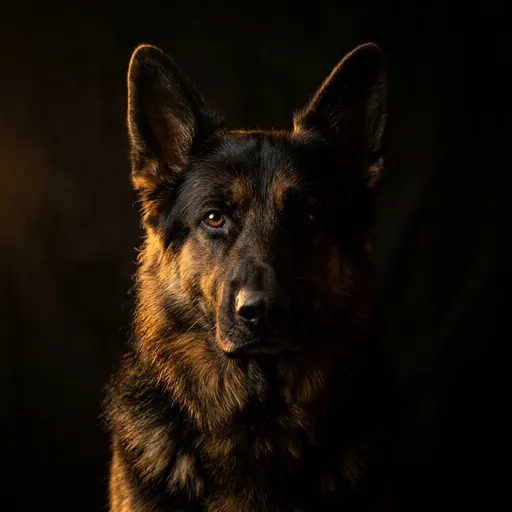
German Shepherd · Herding Group
The German Shepherd Wall
The wall is forming · Be among the first families to add yours
Those who have crossed
Rex
February 2013 – October 2023
The same position by the front door appears in photos across every year
Example
Athena
July 2012 – May 2023
The back fence line appears in photos from every season — always patrolling
Example
Gunner
November 2014 – January 2024
One person appears in nearly every photo — he chose his handler early
Example
Koda
March 2011 – September 2022
The hiking trail changes with the seasons but the dog's position — always ahead — does not
Example
Sable
August 2013 – June 2023
A child grows from toddler to teenager across the photos. The Shepherd is always between the child and the camera.
Example
Pages marked 'example' are demonstration bridges showing what a memorial looks like — not real families. The small lines beneath each are examples of what Memory Weather surfaces over time.
Remembrance
German Shepherds are remembered for the work — the way they assigned themselves a job in the household whether you gave them one or not. They watched the door. They patrolled the yard. They positioned themselves between their person and whatever came next. It was not trained; it was the architecture of the breed. They were born knowing something needed guarding.
The bond with a German Shepherd was not casual. They chose a person — one person, usually — and the depth of that attachment was unlike the broad affection of other breeds. Everyone else in the house was tolerated, even loved. But one person was theirs. That person knows exactly what was lost.
“She followed me from room to room for twelve years. I used to joke that I couldn't even go to the bathroom alone. Now I go to the bathroom alone and it is the loneliest room in the house.”
What to remember
When you create a bridge, these prompts help you hold the details that matter most — the ones that fade first.
Where did they position themselves in the house? The spot by the door, the angle on the hallway — the place where they could see everything. Draw the map.
Who was their person? The one they followed from room to room, the one they watched most closely. How did everyone else in the family feel about not being chosen?
What did they guard against — real or imagined? The delivery driver, the neighbor's cat, the suspicious bag on the sidewalk. What was their alert sound?
When did their back legs start to change? The first time you noticed the paw drag, the wobble on the stairs, the moment you realized the strongest dog you'd ever known was losing something.
What command did they know that you never formally taught them? The thing they just understood — the word, the gesture, the look.
How did they respond when someone in the house raised their voice? Not aggression — what was the specific thing they did when the energy in the room shifted?
Words that stayed
“He was 90 pounds of authority and presence and the softest ears you have ever touched. The contradiction was the whole dog.”
physical
“She once refused to let the cable guy past the front door for forty-five minutes. He came back the next day with treats. She accepted the bribe but never trusted him.”
funny
“The door is unguarded now. We lock it every night and it is not the same thing.”
absence
“He watched everything. Not anxiously — assessingly. He had an opinion about every person who walked through our door and he was usually right.”
character
“Twelve years. His mind was sharp until the very end. It was his body that quit first, and he never forgave it.”
time
The math
German Shepherds typically live 9–13 years.
Hip dysplasia is nearly synonymous with the breed, and many GSD families watch the hind end carefully from middle age onward. Degenerative myelopathy — a progressive spinal disease — can take the back legs gradually and irreversibly. Bloat is a sudden emergency that deep-chested breed owners learn to recognize by instinct. The rear end usually tells the story before anything else does.
If your German Shepherd is in their senior years, this is the right time to start their bridge — while the specific memories are still sharp.
Start their bridge now →The shape of this loss
The unguarded feeling is what German Shepherd families name first. Not physical safety — something deeper than that. The Shepherd watched everything, tracked everything, positioned themselves between you and whatever came through the door. That layer of awareness is gone now, and the house feels exposed in a way that a security system cannot address.
People who have not had a German Shepherd sometimes underestimate the bond. It was not the broad, easy affection of a retriever. It was specific, earned, and intense — a working relationship built on trust and daily proximity. Losing that is not 'losing a pet.' It is losing the only creature who ever watched you that carefully and stayed anyway.
The job doesn't stop. The worker is gone. That is the shape of it.
The job doesn't stop. The worker is gone.
Memory Weather
How a bridge deepens with timeOver time, WenderBridge surfaces patterns already present in the photos and memories you choose to keep here.
Your Shepherd's photos reveal the same position — by the door, at the top of the stairs, between the family and whatever came next.
Memory Weather notices one person appears more than anyone else. The Shepherd chose early, and the photos confirm it.
The back yard appears in every season. The patrol route was consistent across years.
Memory Weather is available with Full settings.
Questions families ask
Add your Shepherd to the wall
Every German Shepherd who stood watch deserves a permanent place on the wall. Their bridge is free to create, free to visit forever, and free to share — because the dog who guarded everything deserves to be remembered by everyone.
Celebrating a living Shepherd?
If your German Shepherd is currently stationed by the front window with an opinion about every car that passes, WenderPets is where you'll find the sculptures, lamps, and gifts made just for them.
WenderPets →German Shepherd bridges are hosted permanently and will never disappear.